Future Career Path
Aerospace Engineer
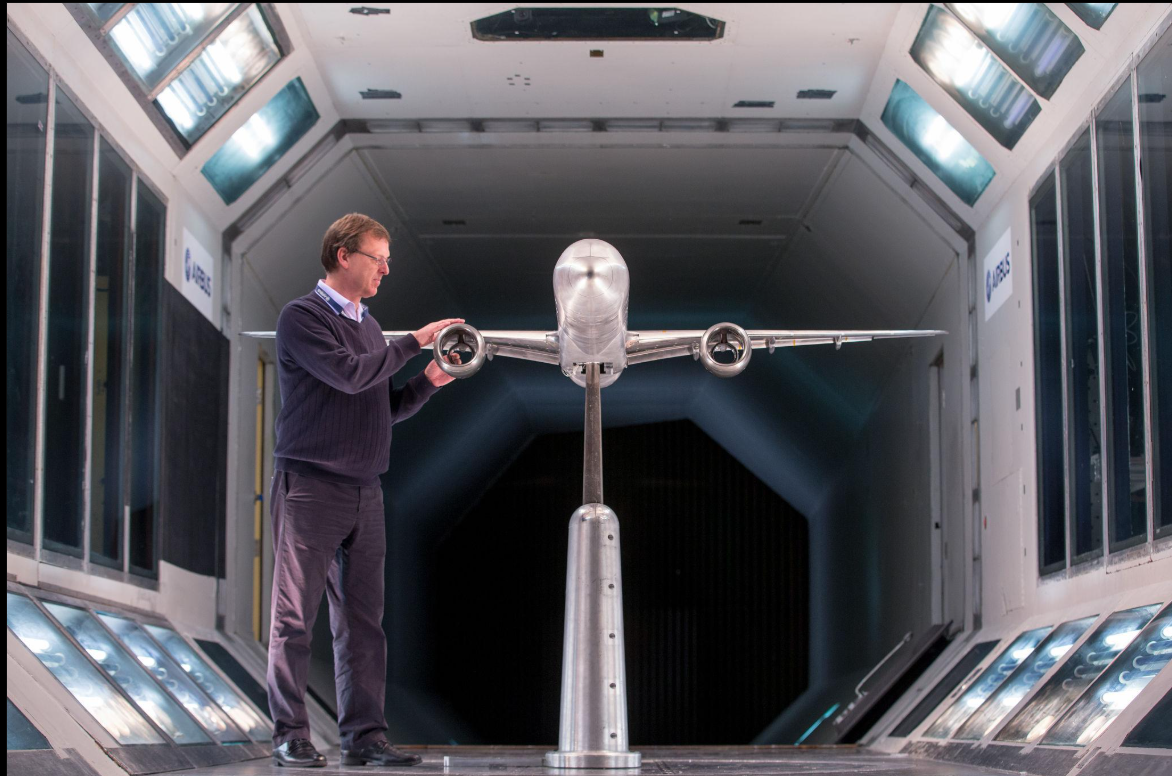
Aerospace engineers design, develop, test, and improve aircraft, spacecraft, satellites, and advanced flight systems. They work at the intersection of physics, mathematics, materials science, and engineering to make flight and space exploration possible. From commercial aircraft to rockets travelling beyond Earth, aerospace engineers turn complex scientific ideas into real-world machines.
Average Salary
₹4 LPA – ₹35+ LPA
Entry to senior level
Job Demand
High
Growing globally
Difficulty
Advanced
Requires consistency
Future Scope
Automation and robotics will dominate future industries.
Expanding opportunities
FOUNDATION
Why This Career
Exists
Humanity Wanted to Fly
For centuries, humans looked at birds and dreamed of flying. That dream eventually led to the development of aircraft. Aerospace engineering emerged from the need to understand how objects move through air, how lift is generated, and how machines can fly safely and efficiently. It transformed flight from an impossible dream into one of humanity's greatest technological achievements.
Then Humanity Looked Beyond Earth
Aircraft changed transportation, but humanity wanted to go further. Rockets, satellites, and spacecraft opened the possibility of exploring space, studying other planets, monitoring Earth, and communicating across the globe. Aerospace engineers became essential to designing the systems that make these missions possible.
The Future Is Still Being Engineered
Aerospace engineering continues to evolve through reusable rockets, autonomous aircraft, electric aviation, advanced propulsion, and next-generation spacecraft. The purpose is no longer only to fly. It is to make transportation more efficient, exploration more accessible, and technology capable of reaching beyond today's limitations.
Daily Experience
What This Career
Feels Like
Scene 1
Designing the Aircraft
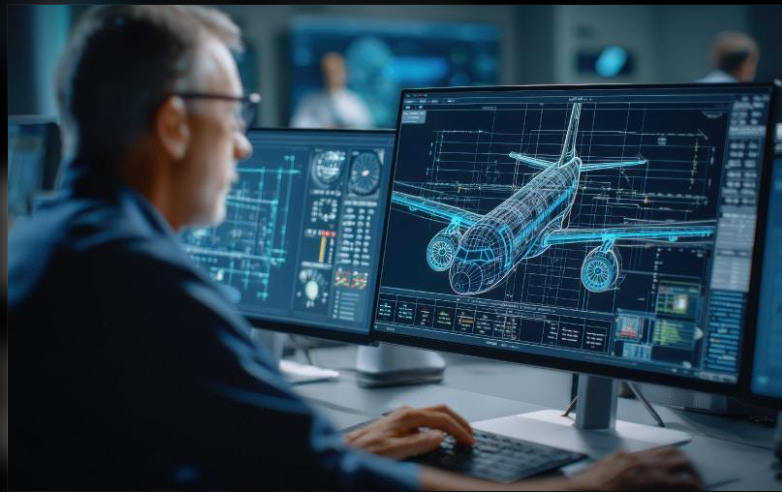
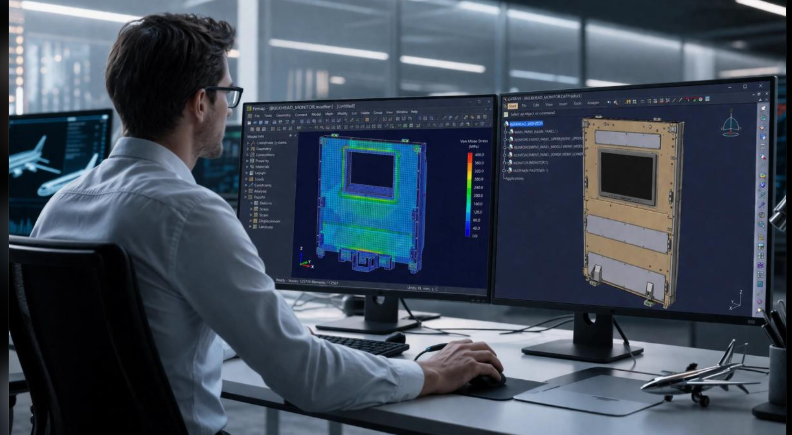
An aerospace engineer works with 3D design software to develop aircraft structures, wings, and components. Every design decision affects performance, safety, and efficiency.
Scene 2
Testing the Science
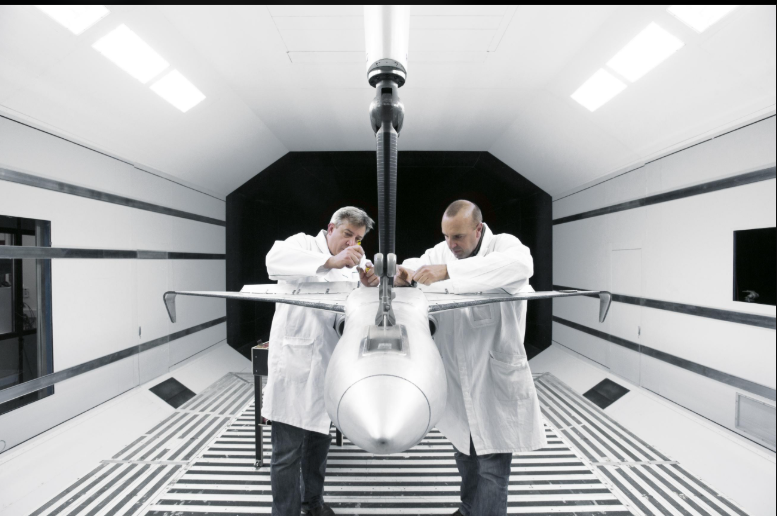
Engineers test aerodynamic performance in wind tunnels and analyse how air flows around aircraft structures.
Scene 3
Building Propulsion Systems
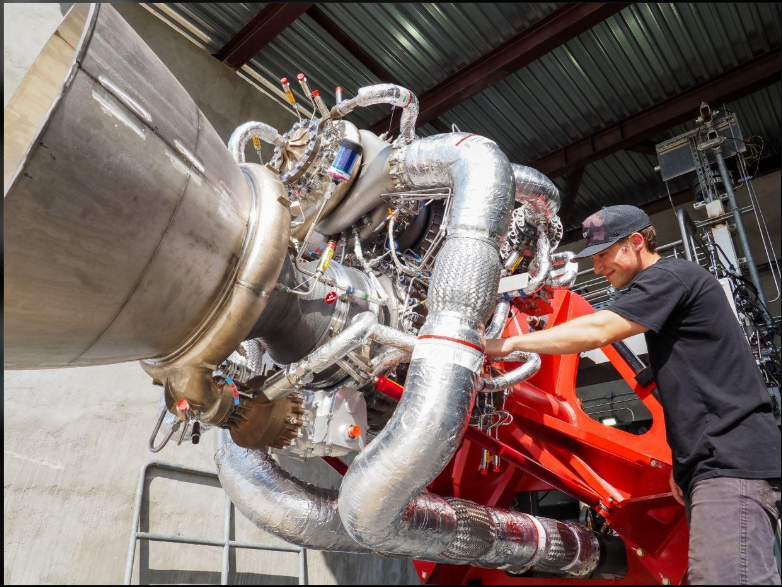
Engineers analyse rocket engines, fuel systems, combustion, and propulsion performance to develop reliable launch technologies.
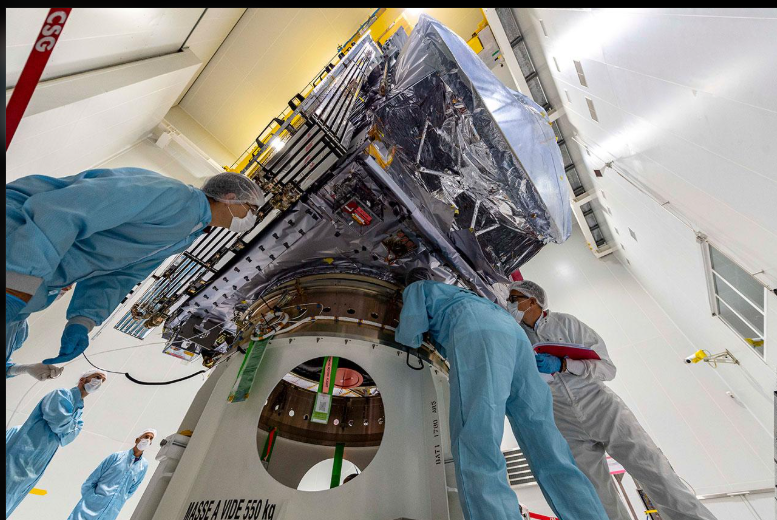
Scene 4
Preparing for Space
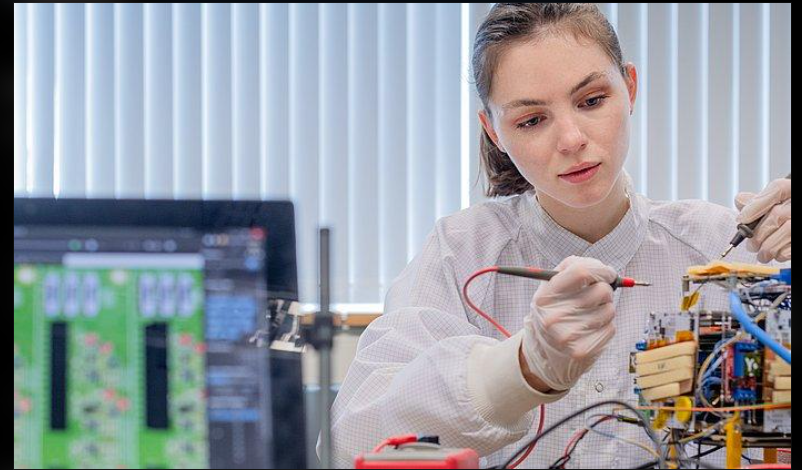
Teams integrate and inspect spacecraft and satellites before they begin their missions beyond Earth.
Career Intelligence
Important Insights
Before You Start
Insights Coming Soon
We are currently preparing detailed insights, salary trends, growth analysis, and future opportunities for this career path.
Future Opportunities
Where This Career
Can Take You
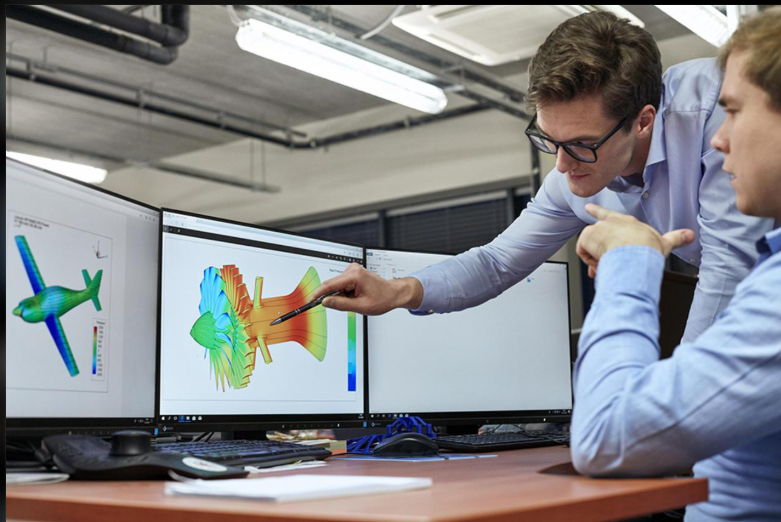
Future Role
Aerodynamics Engineer
Studies airflow around aircraft and spacecraft to improve lift, drag, stability, and overall performance.
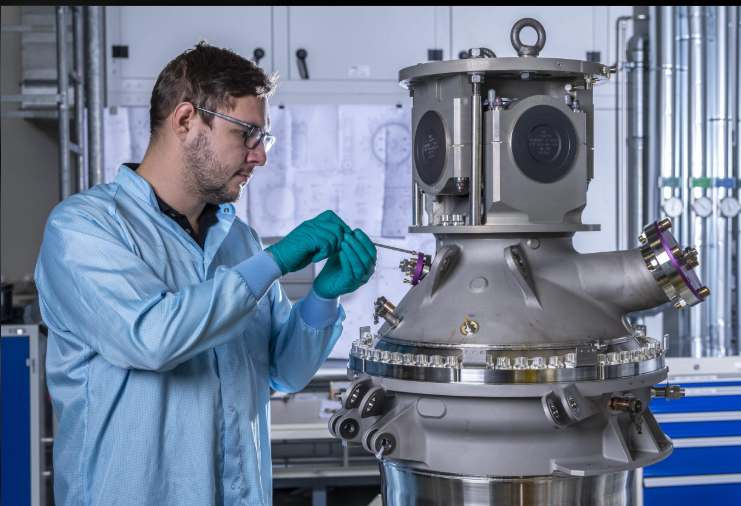
Future Role
. Propulsion Engineer
Develops and tests aircraft engines, rocket engines, and propulsion technologies.
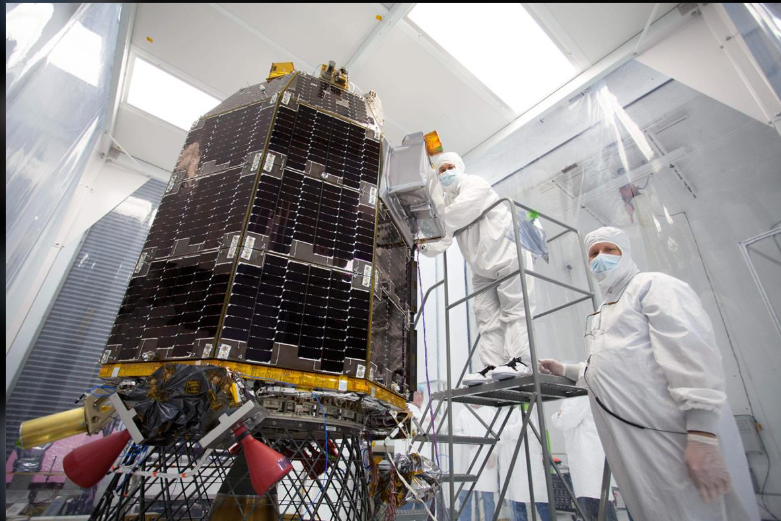
Future Role
Spacecraft Systems Engineer
Works on spacecraft architecture, subsystems, integration, and mission requirements.
Future Role
Structural Design Engineer
Designs and analyses aircraft and spacecraft structures to ensure strength, reliability, and safety.
Future Role
Avionics Engineer
Develops aircraft and spacecraft electronic systems, navigation, communication, and flight-control technologies.

Your Journey Begins
Every Expert
Was Once A Beginner
The future belongs to those who start before they feel ready. Your career journey begins with a single step.